In short
- Lake Tekapo offers more town facilities, hot pools, and dark sky tours.
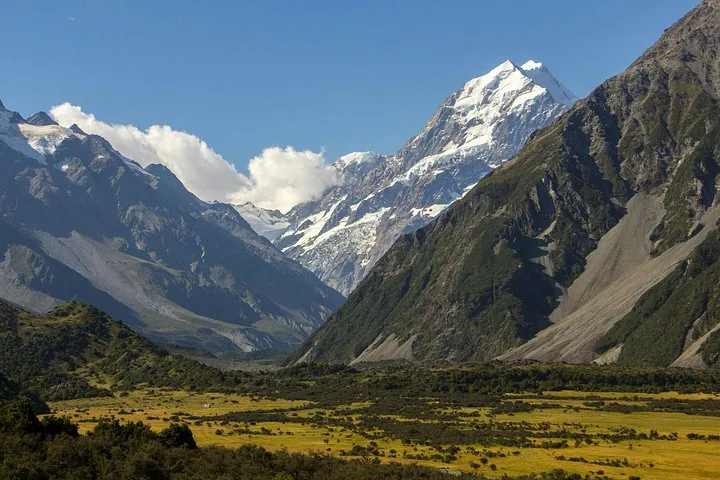
- Mount Cook provides immediate access to rugged glacial hiking trails.
- Both locations are connected by guided day trips from major cities.
In this article
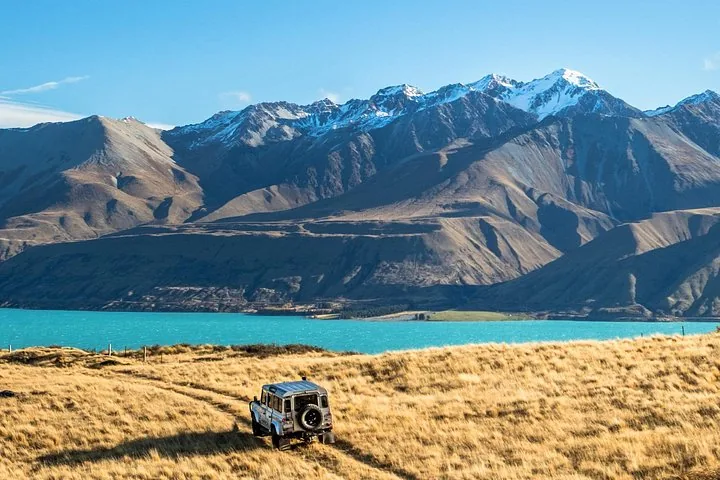
Many visitors struggle to choose between Lake Tekapo and Mount Cook. They sit in the same broader region but offer distinctly different experiences. Lake Tekapo functions as a small town with easy access to major stargazing observatories. Mount Cook is an isolated national park village focused purely on high alpine terrain.
What is the difference between Lake Tekapo and Mount Cook?
Lake Tekapo is a lakeside township focused on astronomy and leisure, while Mount Cook is a remote alpine base for glacier hiking.
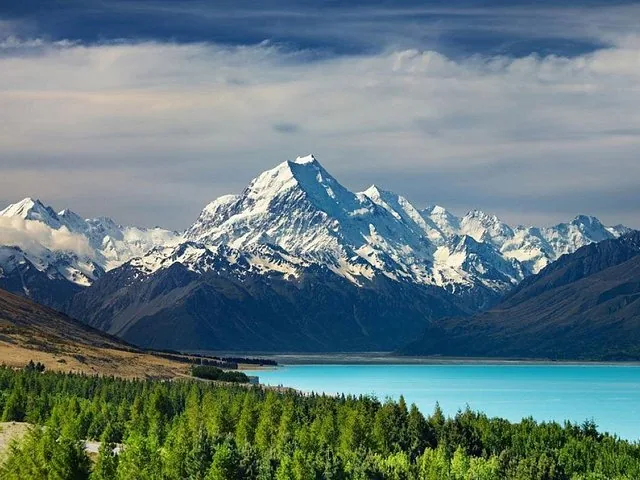
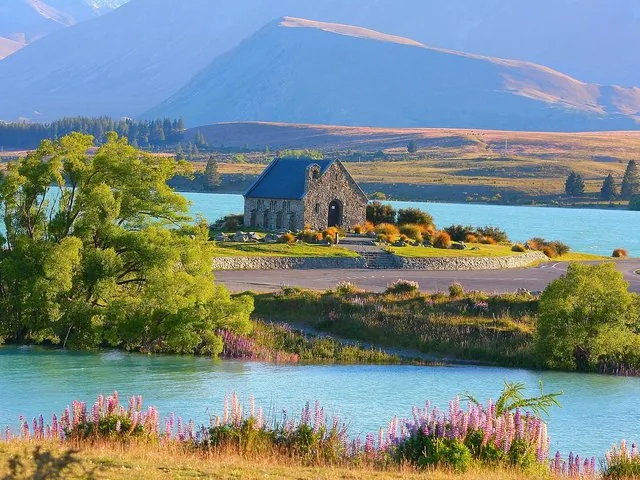
Lake Tekapo features a developed center with hot pools, the Dark Sky Project Base, and the 1935 Church of the Good Shepherd. Mount Cook lacks these extensive commercial facilities. Instead, it places you directly under New Zealand's tallest mountain, giving you immediate access to tracks leading to the Tasman Glacier.
Which location is better for stargazing?
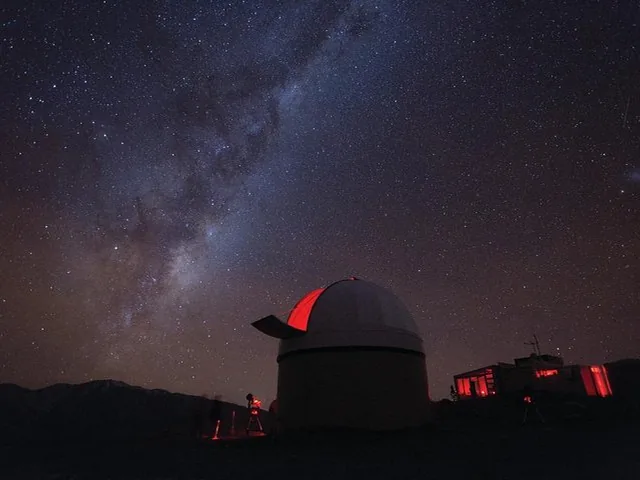
Lake Tekapo is better for guided stargazing and observatory access.
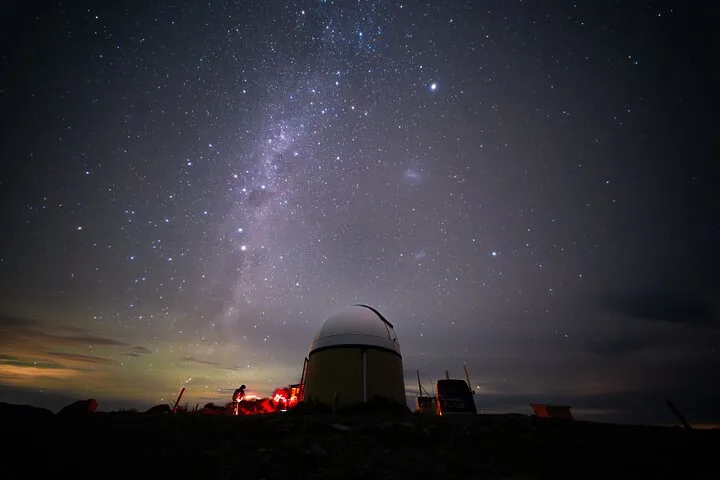
Lake Tekapo sits at the heart of the 4,367-square-kilometer Aoraki Mackenzie International Dark Sky Reserve. The reserve holds a Gold-tier status. Tekapo houses the Mt John Observatory and the Dark Sky Project Base. You can book dedicated nighttime tours that use advanced telescopes and provide cold-weather gear.
Is it better to stay in Lake Tekapo for amenities?
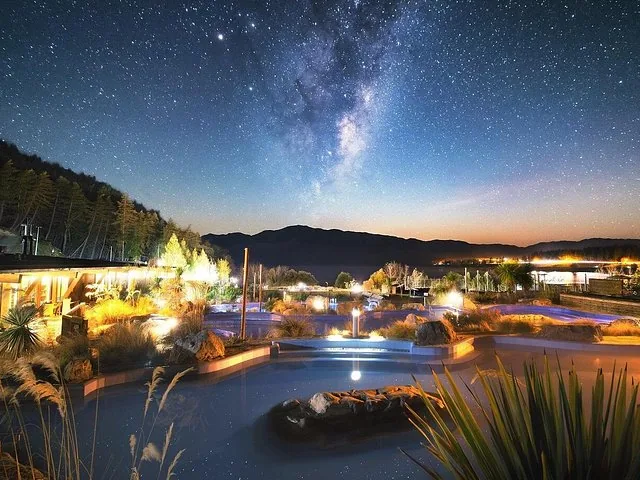
Yes, Lake Tekapo has significantly more facilities, including hot pools and a recreation complex.
Tekapo Springs offers hot pools overlooking the lake, snow tubing, and an ice skating rink. The town also has a diner and various commercial tour bases. Mount Cook is highly isolated, meaning you must bring more supplies and rely on limited local options.
Can I visit Mount Cook from Lake Tekapo?
Yes, you can easily visit Mount Cook on a day trip that stops in Lake Tekapo.
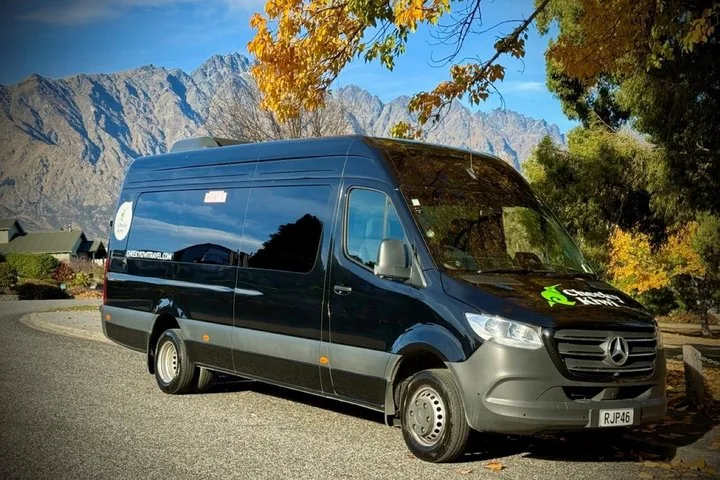
If you prefer the amenities of Tekapo, you can book a guided tour that visits Mount Cook and the Tasman Glacier during the day. Guided day trips run frequently and take the stress out of driving. Many tours start in Christchurch and pass through Tekapo before heading to the national park.
Which destination is better in winter?
Lake Tekapo is generally more accessible and offers clear, long nights for stargazing.
Winter brings peak stargazing conditions to Lake Tekapo from June to August. Mount Cook experiences heavy snow and ice, which can impact hiking tracks and road access. If you drive to either location in winter, you must carry snow chains.
Read more about winter conditions in our Winter Driving Guide guide.
Should I book a tour that covers both?
Booking a combo tour is the most efficient way to see Lake Tekapo and Mount Cook if you are short on time.
Full-day tours depart from Christchurch and cover the Church of the Good Shepherd, Lake Pukaki, and Mount Cook National Park. These trips last around 13 hours and cost from $156 NZD. They offer a simple solution if you cannot decide where to stay.
Questions travellers ask
How far is Lake Tekapo from Mount Cook?
While the exact driving distance varies, guided day trips frequently connect Lake Tekapo and Mount Cook on the same itinerary. Tours often stop at Lake Pukaki along the way.
Is Lake Tekapo worth visiting?
Yes. Lake Tekapo is renowned for its Gold-tier Dark Sky Reserve, astrophotography opportunities, and the iconic 1935 Church of the Good Shepherd.
What is the best time of year to visit Lake Tekapo?
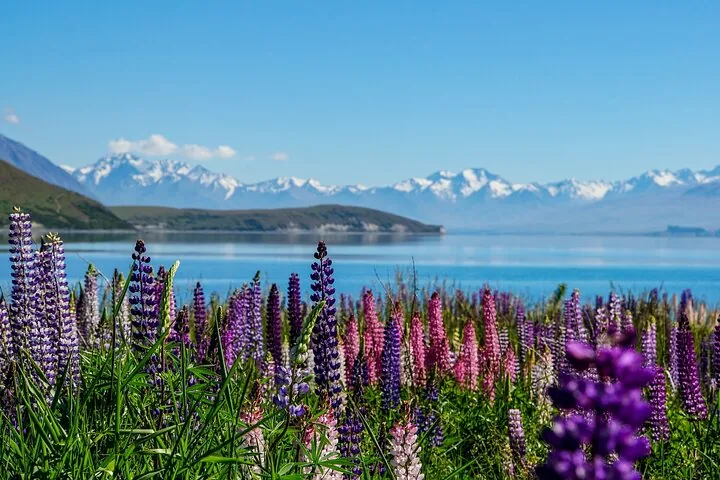
Summer (December to February) is peak season for warm weather and lupin blooms. Winter (June to August) offers long, clear nights ideal for stargazing.